This composting method utilizes a container to initiate a fermentation process to break down food waste before being transferred outside to make a finished compost. It is intended for kitchen scraps including cooked foods and meat and dairy products. You will need a Bokashi bin, food scraps, and bokashi bran to ferment your scraps. Once fermented (8-10 days), the food scraps can be buried in your garden, transferred to an outdoor compost bin, or taken to a commercial composter. Bokashi tea— the leftover liquid from the fermentation process— can be used to fertilize your garden or houseplants.
1. MAKE A BOKASHI BIN
Taken from: How to Make a Bokashi Bucket for Easy Composting – The Compost Culture
2. MAKE BOKASHI BRAN
Taken from: DIY Bokashi Bran for Composting – Eddie Eco House
Ingredients
- 10 kg (22 lbs) of Wheat bran
- 100 ml (3.4 oz) of EM-1 solution (Effective Microorganisms)
- 100 ml (3.4 oz) of Molasses or sugar (microbe food)
- 10 L of Water (2.6 gallons) for moisture and activation
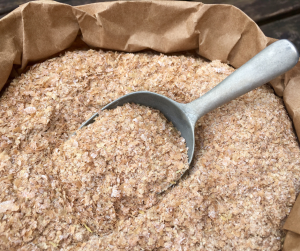
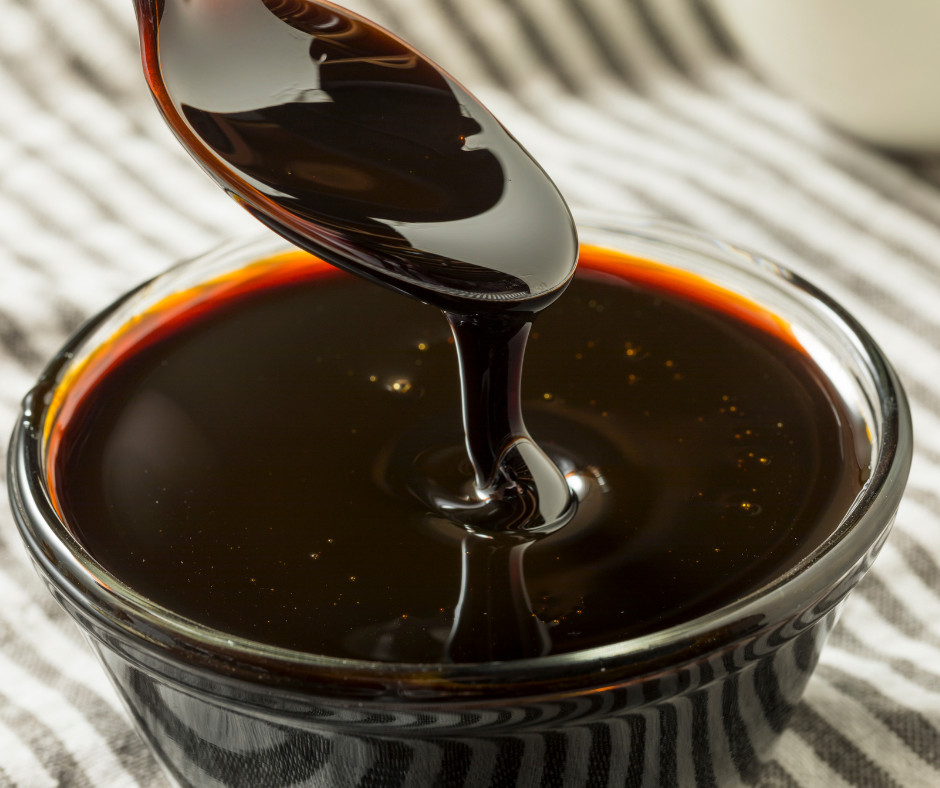
Method
- Mix the liquids: Dissolve 100 ml of molasses in 1 L of warm water, then stir into the remaining water (9 L).
- Add EM-1: Mix the EM-1 into the liquid solution.
- Inoculate the bran: Slowly pour the liquid over the bran, mixing thoroughly to ensure even moisture.
- Check moisture: Squeeze a handful—if it holds shape but doesn’t drip, it’s perfect (35–40% moisture).
- Ferment: Seal in an airtight container or bag and leave for 2–4 weeks.
- Dry: Spread out to dry completely before storing.
- Store: Keep in a cool, dry, airtight container. Shelf life: up to 1 year.
3. USE YOUR BOKASHI BIN
Taken from: https://www.almanac.com/bokashi-composting
- Collect food scraps, including meat, veggies, dairy, and cooked food. If you ate it, could eat it, or should have eaten it, but it got away from you in the fridge, you can put it in the bokashi composter. **Do not put in used grease, oil, or anything already rotten beyond recognition. “Compostable” plastic bags are also a no-go.**
- Chop up the scraps into 1- to 2-inch pieces.
- Add a thin layer of bran to the bottom of the bin, then add the food scraps you collected and smash them down. Remember, this system doesn’t need oxygen and should be airtight. Toss another tablespoon or two of bran on top.
- Keep layering the bin with bran and kitchen scraps until it is full, like building a layer cake. Remember to smash it down a bit to get the air out. It’s okay if this takes a week or 2.
- Seal the airtight lid and set it in a warm spot.
- Drain the liquid from the bottom using the spigot for a couple of days. The collected liquid can be diluted at about 100:1 for use as a plant fertilizer or disposed of.
- In about 2 weeks, the liquid to be drained should slow to a trickle, and the bin should have a faint pickled or fermented odor. It’s time to take it outside.
- Dig a hole in your garden or your compost pile and empty the bin’s contents into the hole. They’ll still look recognizable, but they are now predigested and ready for the soil microbes to do their work. Bury the bokashi product and wait about 2 to 3 weeks.